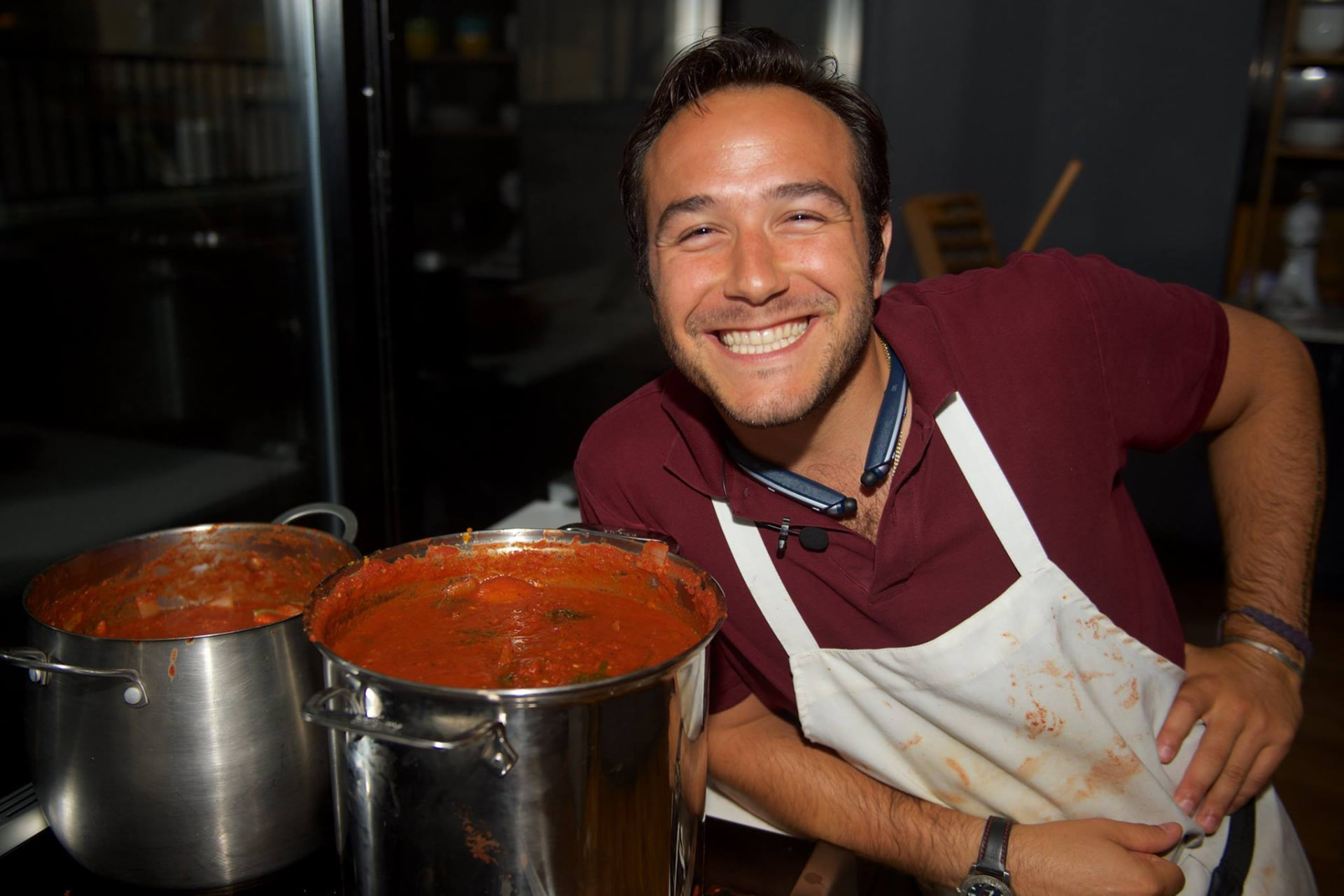
Before there were dinner tables, there were stages.
I spent five years producing a one-man play about Fiorello La Guardia, taking it to audiences around the world. The production earned international acclaim. Theater taught me something I would carry into everything that came after: a room full of strangers can become something else when they have a story to share.
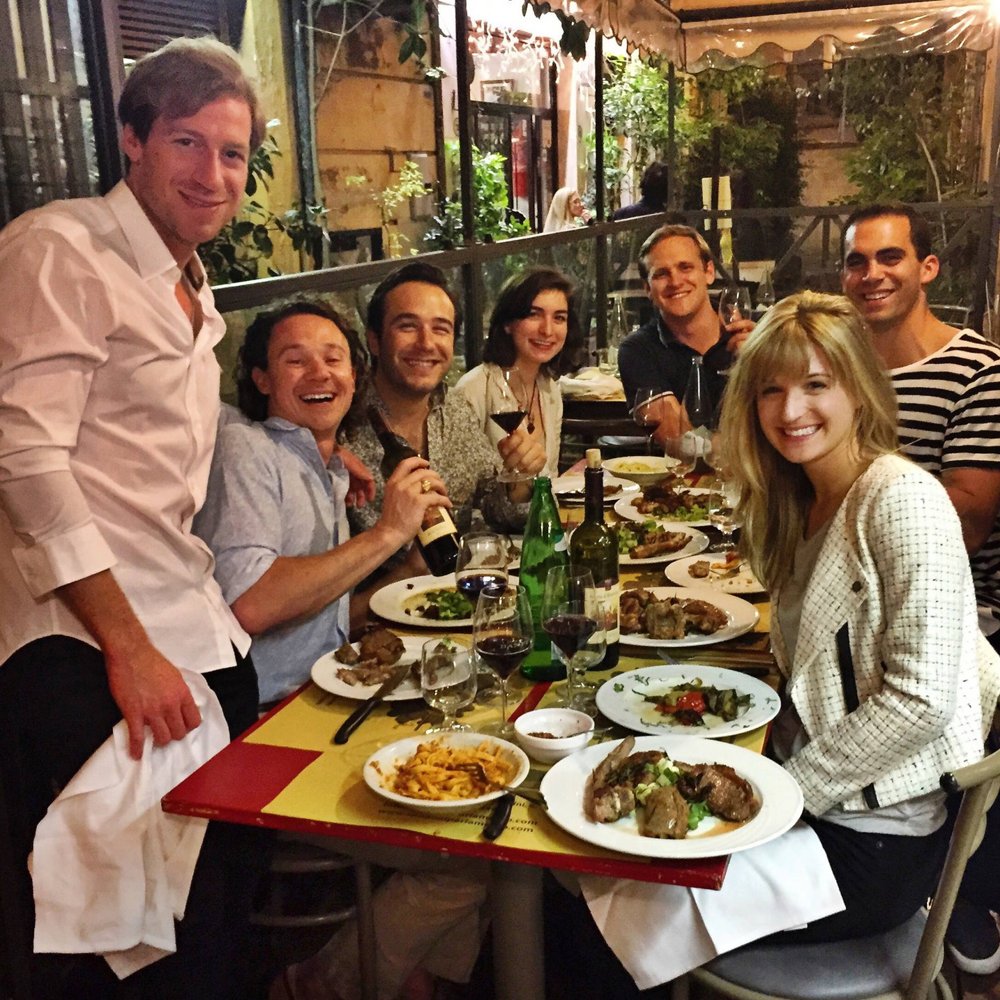
In 2015, I'd just finished producing a Broadway play in Rome. It was a high point professionally. And in Rome, people lingered. They passed plates. They told stories slowly. It wasn't about the food, even though the food was good. It was about what the food made possible.
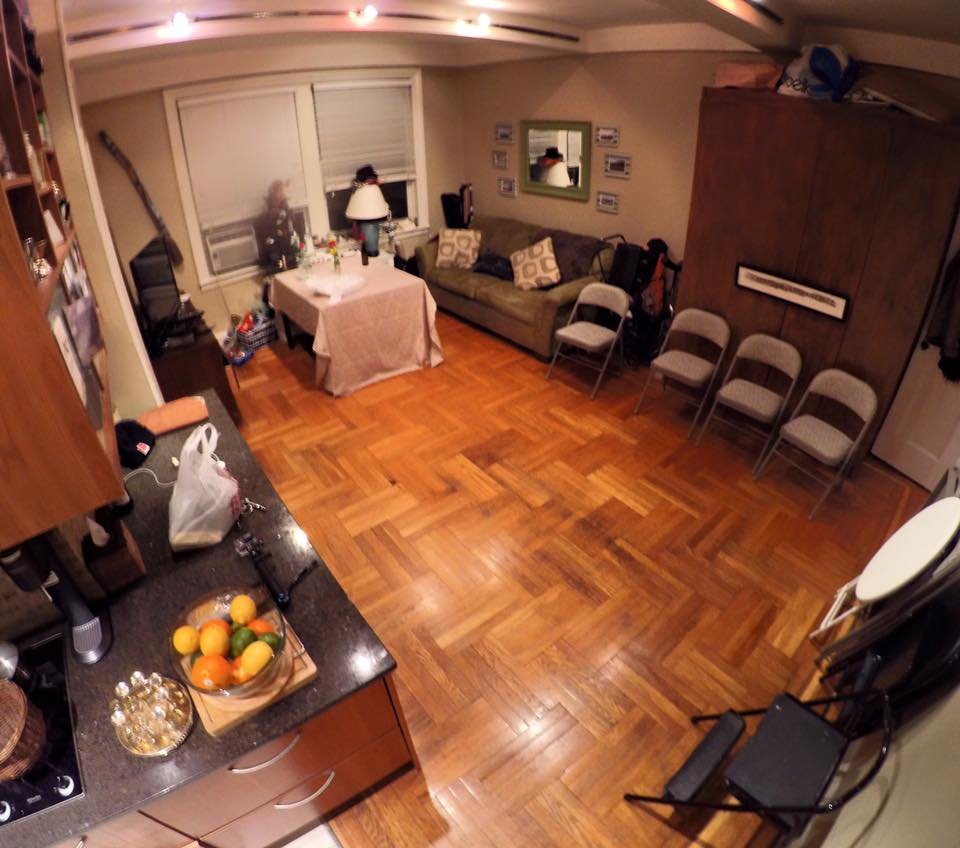
Then I flew home to my 350-square-foot apartment in Manhattan. What I felt wasn't accomplishment. It was disconnection. It was loneliness. It was an anxiety of what tomorrow may bring.
I missed what I'd found at those tables in Italy. I wanted it. So I decided to try something.
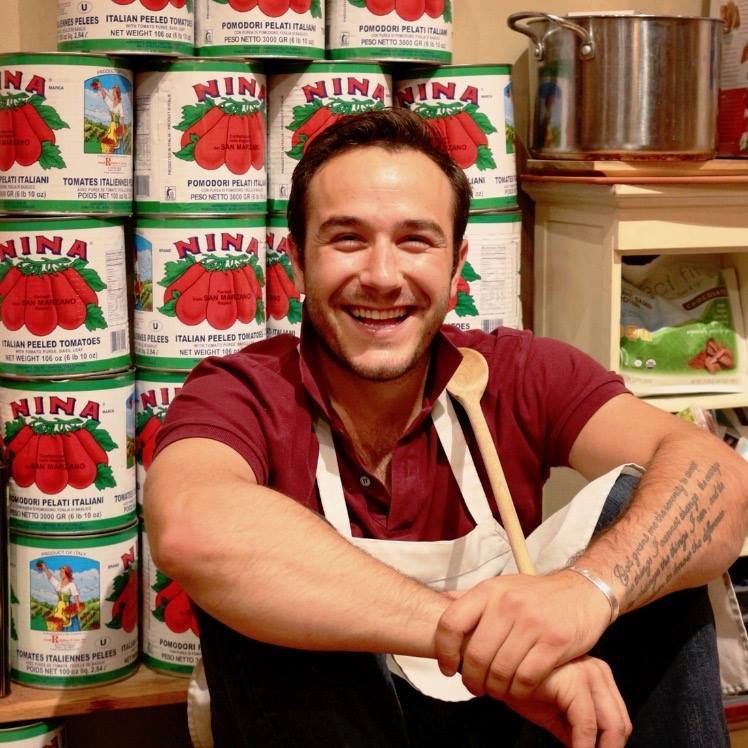
I folded up my Murphy bed. I borrowed some chairs from my mentor, Papa Tony. On the last day of the month, when New York's streets are the best place to find furniture if you know where to look, I found a table. I cooked a red sauce, slightly spicy, my own recipe, and invited fifteen people into that little apartment.
On July 15, 2015, at 6:30 PM SHARP, 15 folks arrived to our home each carrying a bottle of wine. Guests folded napkins, set the table, and arranged chairs. People with their own egos, stories, and biases were already working together to create a shared meal. At exactly 7:47 PM, I threw the pasta in the pot.
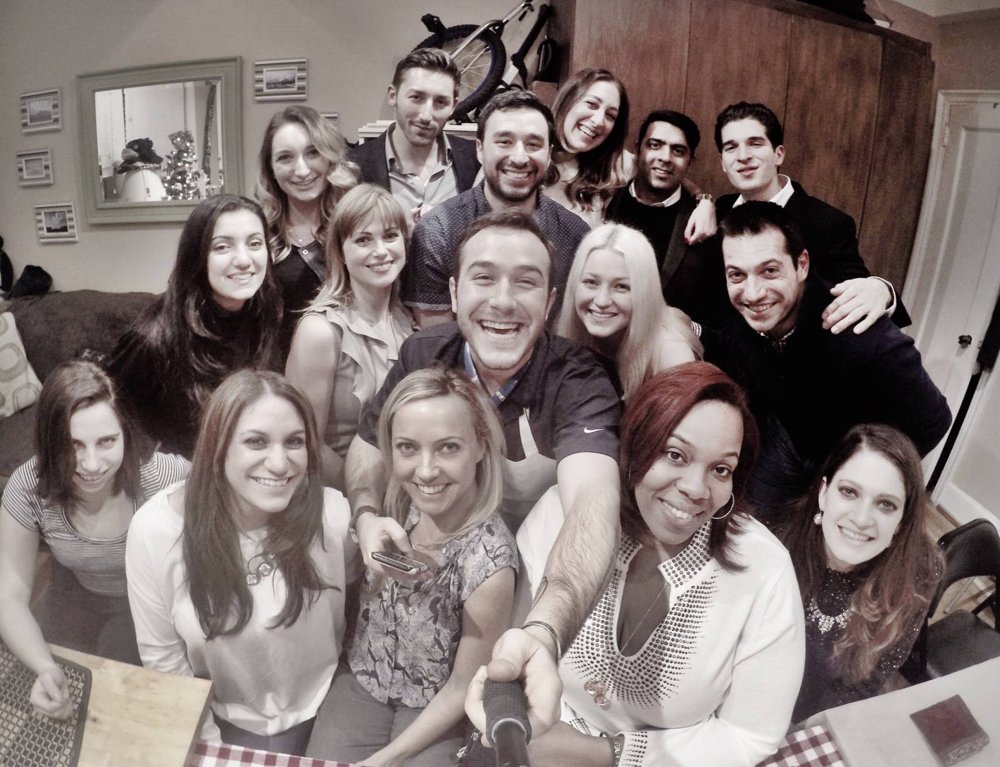
We had delegated 11 specific tasks so everyone would work together to create the meal. If you thought you were showing up just to be served, you were wrong. You were showing up to serve each other.
We served each other. We sat shoulder to shoulder. We passed wine and bread and questions and laughter. Then, halfway through dinner, I asked everyone a simple question:
“If you could give credit or thanks to one person in your life, that you don't give enough credit or thanks to, who would that be? ”
Their answers came slowly. Quietly. Thoughtfully. Then with more emotion, more clarity, more courage. People shared things they hadn't said out loud before. Not because I'm a therapist. Not because the pasta was that good. Because the question had cost built into it. It required them to stop performing and start remembering. It asked them to sit in the friction of gratitude, the discomfort of admitting that someone matters to you more than you've told them.
We didn't just eat that night. We connected. And I knew I had to do it again.
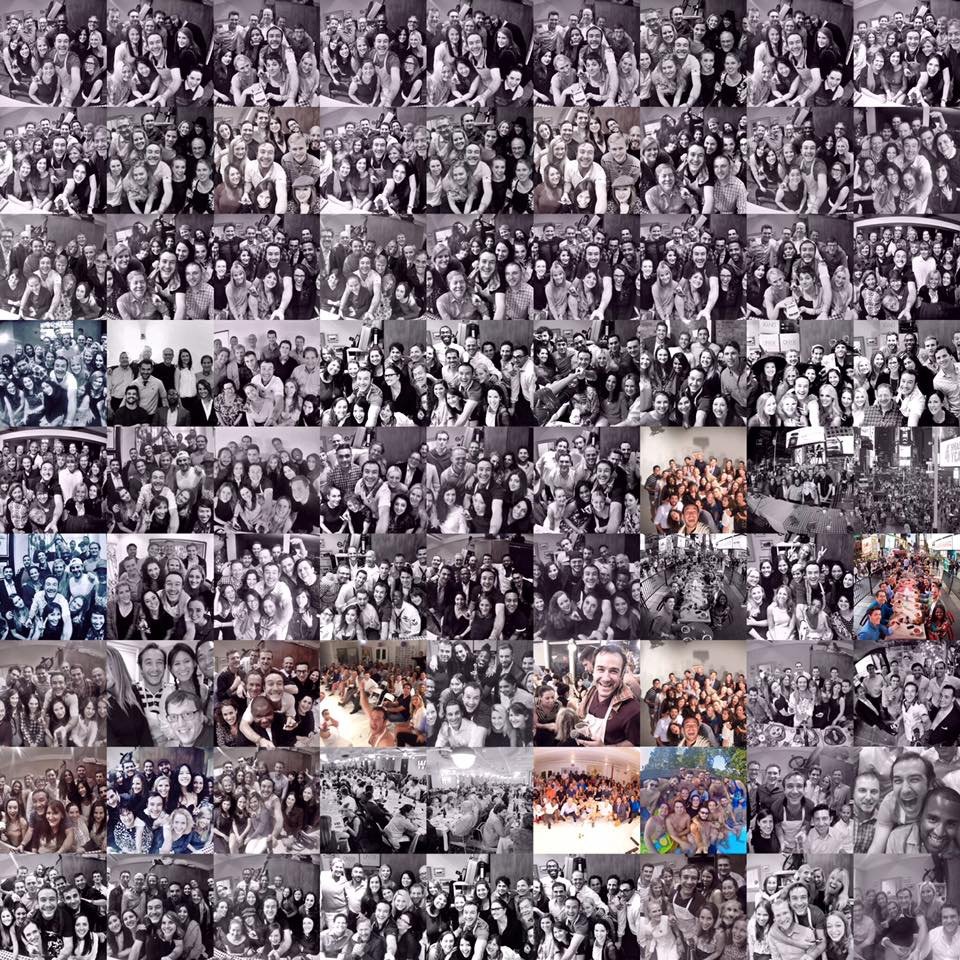
So I did. Week after week. Same format. Same invitation. New faces. New stories. Friends invited friends. Strangers became family. We set a simple rule: First time you come, you come alone. Second time you come, you get to bring a friend. After that, you can email in and nominate someone to attend. The people at the start of our journey only saw us for who we once were. But they introduced us to people over time who saw us for who we were becoming. By the end of that first year, I had hosted 54 dinners in 52 weeks, feeding 808 people, all for free.
I changed too. I stopped looking at my world asking what was wrong. I started asking what was right. What was possible. I began to savor things I used to rush past. I listened with a little more patience. And I felt something I hadn't felt in a long time: joy. Real joy.
— Chris